
Homeopathy for Diverticulitis

Diverticulitis is a common digestive condition that causes inflammation or infection in small pouches called diverticula, which form in the walls of the colon. This condition can lead to abdominal pain, bloating, changes in bowel habits, and sometimes serious complications if left untreated. While conventional treatments often involve antibiotics and dietary changes, many people seek natural alternatives to support their digestive health and reduce symptoms. Homeopathy offers a gentle, holistic approach that may help manage diverticulitis and improve overall digestive function.
This blog explores how homeopathy can support those dealing with diverticulitis, highlighting natural remedies and lifestyle tips to promote gut health.
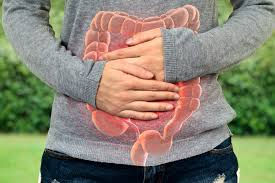
Understanding Diverticulitis and Its Impact on Digestive Health
Diverticulitis occurs when diverticula, small bulging pouches in the colon, become inflamed or infected. These pouches develop when weak spots in the colon wall give way under pressure, often due to a low-fiber diet or chronic constipation. Symptoms can range from mild discomfort to severe abdominal pain, fever, nausea, and changes in bowel movements.
People with diverticulitis often experience:
Sharp or cramping pain in the lower left abdomen
Bloating and gas
Constipation or diarrhea
Fever and chills during infection
If untreated, diverticulitis can lead to complications such as abscesses, perforation, or bowel obstruction. Managing symptoms and preventing flare-ups is essential for maintaining quality of life.
How Homeopathy Supports Digestive Health in Diverticulitis
Homeopathy uses highly diluted natural substances to stimulate the body's self-healing mechanisms. It focuses on treating the individual as a whole, considering physical symptoms, emotional state, and lifestyle factors. For diverticulitis, homeopathic remedies aim to reduce inflammation, relieve pain, and improve bowel function without harsh side effects.
Benefits of Homeopathy for Diverticulitis
Gentle and natural: Homeopathic remedies are safe and non-toxic, making them suitable for long-term use.
Personalized treatment: Remedies are selected based on specific symptoms and patient constitution.
Supports overall digestion: Homeopathy can help balance digestive function and reduce symptoms like bloating and irregular bowel movements.
May reduce recurrence: By addressing underlying imbalances, homeopathy may help prevent future diverticulitis episodes.
For a comprehensive guide on homeopathic approaches to diverticulitis, visit Diverticulitis Treatment.
Common Homeopathic Remedies Used for Diverticulitis
Several homeopathic remedies are traditionally used to address symptoms related to diverticulitis. These remedies are chosen based on the nature of pain, bowel habits, and accompanying symptoms.
Homeopathic remedies for diverticulitis are selected based on the individual’s digestive symptoms, inflammation patterns, and overall health profile rather than the diagnosis alone. Remedies such as Belladonna may be considered when there is sudden abdominal pain with heat, redness, and sensitivity to touch, while Bryonia Alba is often used when pain worsens with movement and is accompanied by dryness and constipation. Colocynthis may be indicated when cramping abdominal pain improves with pressure or bending forward, and Arsenicum Album may be considered when digestive discomfort is accompanied by restlessness, burning sensations, and weakness. Nux Vomica is sometimes selected when symptoms are linked to digestive irritation, irregular bowel habits, or dietary triggers. Because homeopathy is highly individualized, remedy selection and potency should be guided by a qualified practitioner to support digestive comfort, reduce inflammation, and promote overall gut health safely and effectively.
Lifestyle Tips to Support Diverticulitis Management
Alongside homeopathic treatment, certain lifestyle changes can help reduce diverticulitis symptoms and promote digestive health.
Increase dietary fiber gradually
Fiber softens stool and reduces pressure in the colon. Include fruits, vegetables, whole grains, and legumes, but increase intake slowly to avoid gas.
Stay hydrated
Drinking plenty of water helps prevent constipation and supports bowel function.
Regular physical activity
Exercise stimulates digestion and helps maintain healthy bowel movements.
Avoid trigger foods
Some people find that nuts, seeds, or popcorn worsen symptoms during flare-ups. Monitor your diet and avoid foods that cause discomfort.
Manage stress
Stress can affect digestion and exacerbate symptoms. Techniques such as meditation, yoga, or deep breathing may help.
For more advice on managing digestive disorders naturally, explore Digestive Disorders.
Homeopathy and Related Digestive Conditions
Diverticulitis often overlaps with other digestive issues like irritable bowel syndrome (IBS). Homeopathy offers remedies that can address symptoms common to both conditions, such as abdominal pain, bloating, and irregular bowel habits.
If you experience symptoms of IBS alongside diverticulitis, homeopathic treatment can be tailored to address both conditions. Learn more about natural approaches to IBS at IBS Treatment.
When to Seek Medical Attention
While homeopathy can support symptom management, diverticulitis sometimes requires urgent medical care. Seek immediate help if you experience:
Severe abdominal pain that worsens rapidly
High fever or chills
Persistent vomiting
Blood in stool
Signs of infection or complications


Comments